Research before booking
89%of diners look for information online before reserving at a high-end restaurant

An author restaurant can have the most talented chef in its city and a dining room that stops time — and still lose reservations every week because its digital presence doesn't communicate what happens inside. The high-end diner doesn't choose a restaurant on impulse. They research, evaluate the concept, read about the chef, study the images, and decide whether that experience deserves their evening. If what they find online isn't at the level of what happens at the table, the reservation never comes.
Pimentone approaches this industry from the diner's decision-making process, not from the menu. We build digital infrastructure that communicates the real level of the gastronomic proposition, generates desire before the visit, and converts that desire into direct reservations — without depending on platforms that take the margin and dilute the brand experience.
Research before booking
89%of diners look for information online before reserving at a high-end restaurant
Average platform commission
30%is what platforms like OpenTable or TheFork take from each managed reservation
Desire window
4 secis how long it takes a diner to decide whether a gastronomic proposition generates desire or not
Book where they find more
68%of diners choose the restaurant that best communicates its experience online over one that doesn't
The equation
An author restaurant with high-level digital infrastructure doesn't just fill more tables — it fills the right tables, with the right diner, who values what's being offered and comes back without needing a promotion to do so.
01
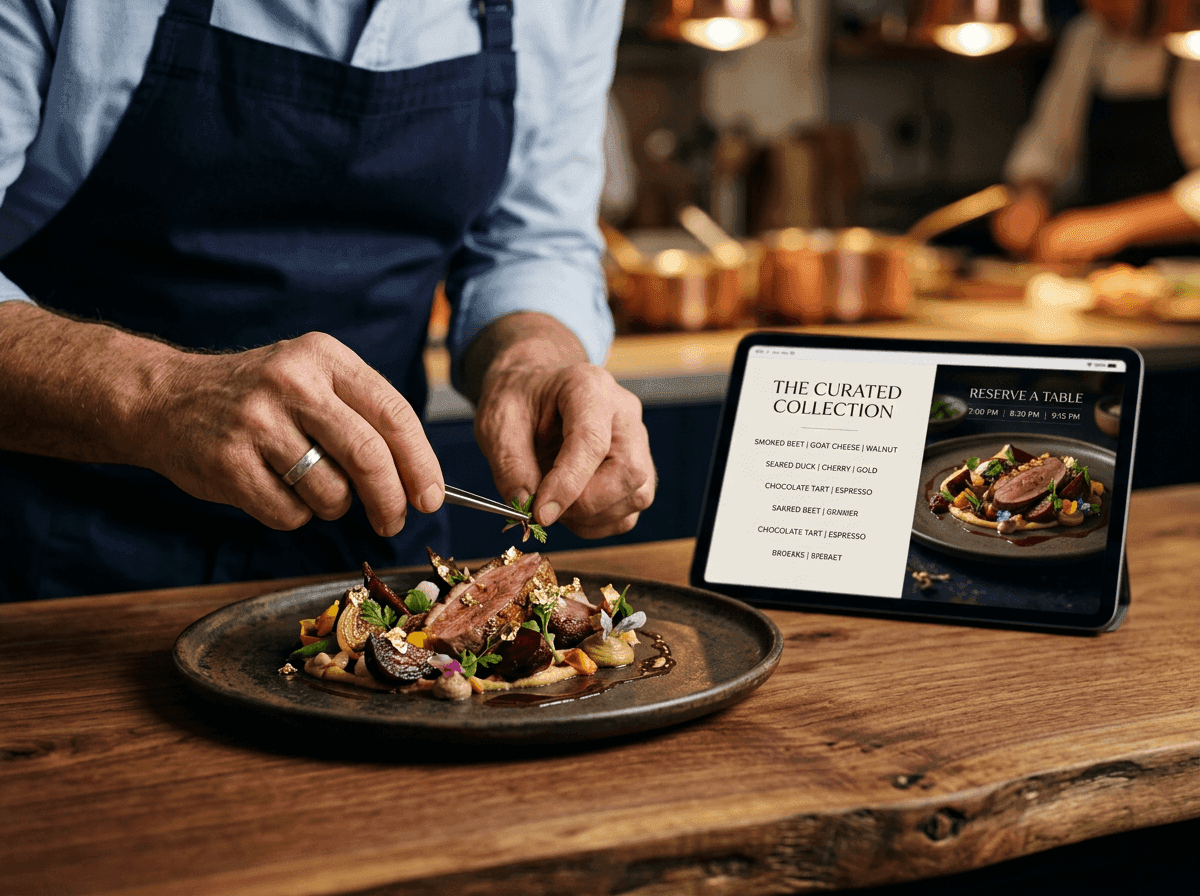
The diner who arrives at an author restaurant already has a constructed expectation — built from the images they saw, the text they read, the way the proposition was communicated. That expectation is part of the experience. A digital presence that doesn't match the restaurant's level doesn't just lose reservations — it builds the wrong expectations in those who do arrive.
02
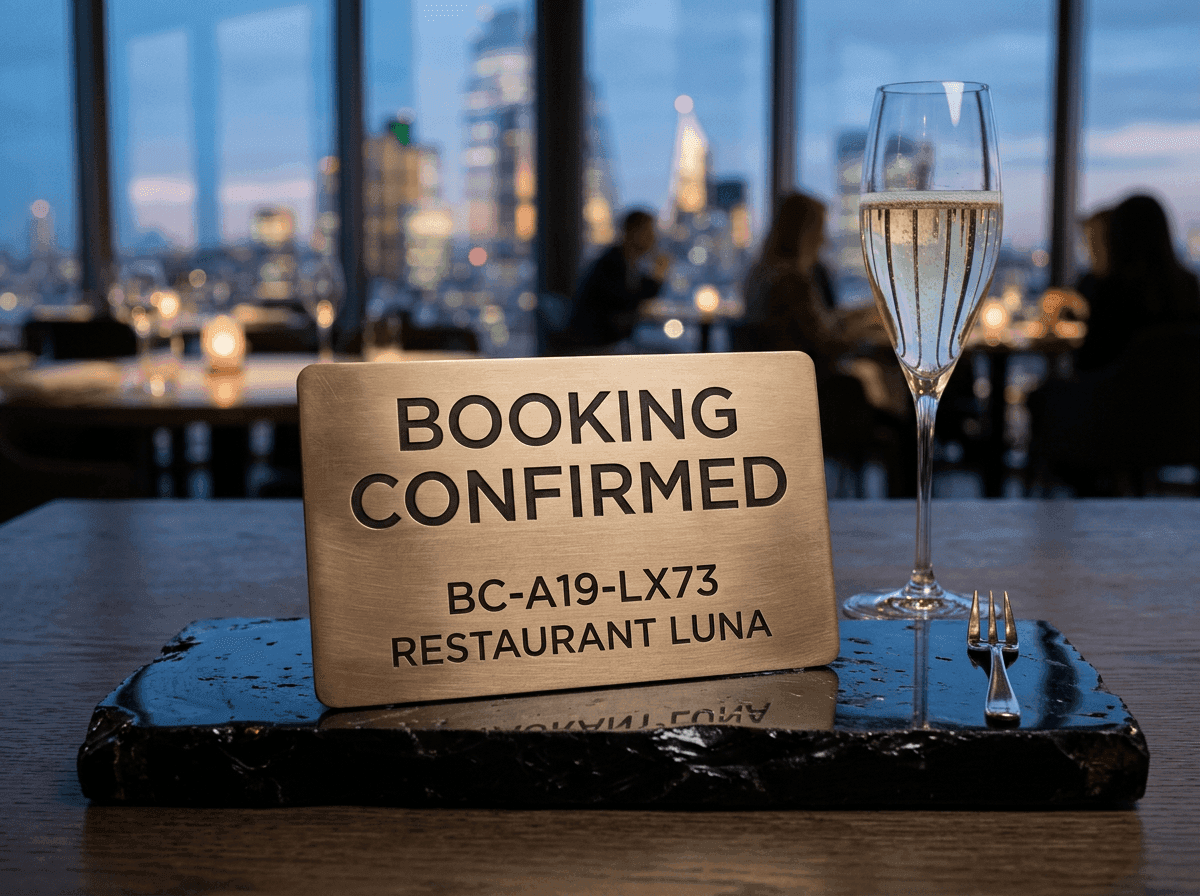
Every reservation managed by an external platform is a commission paid, a diner's data that doesn't belong to the restaurant, and a brand experience that happens inside another company's environment. A well-implemented direct reservation system isn't just more profitable — it's the only channel where the restaurant controls every moment from the first click to the confirmation.
03
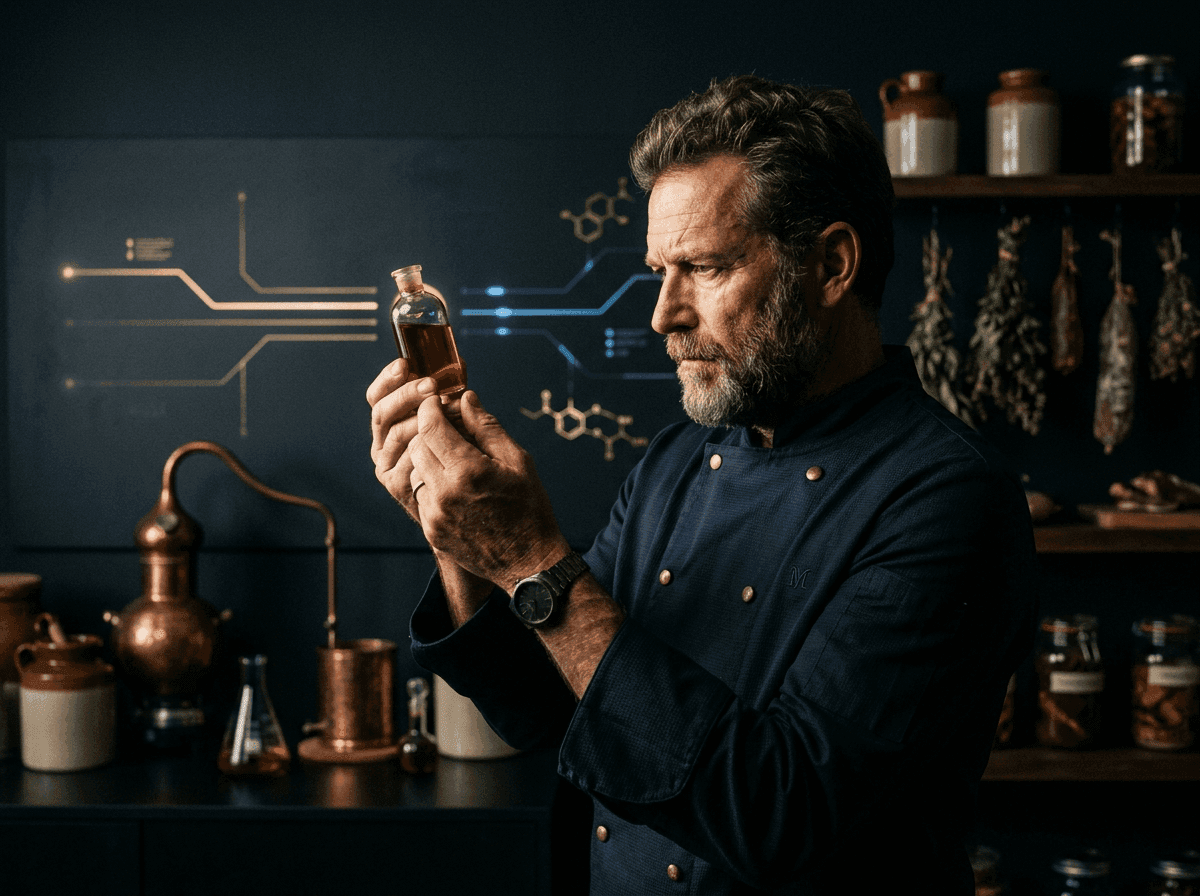
In an author restaurant, the proposition isn't the menu — it's the chef's vision, the philosophy behind each dish, the story of the space. That narrative, communicated with judgment, attracts the diner who understands and values it. A generic or absent narrative attracts anyone — and in this type of restaurant, that's precisely the problem.
Every restaurant has its unique proposition. The digital problems limiting their occupancy and margin are almost always the same.
The restaurant has a differentiated concept, a chef with vision, and a space refined to the last detail. But its digital presence doesn't distinguish it — generic photos, brochure text, and navigation that could belong to any place. The diner looking for something special finds no signal that they'll find it here.
Most reservations come through external platforms that charge between 20% and 30% per table. The restaurant pays for each diner who had already decided to come, doesn't own their data, and doesn't control the reservation experience. It's a structural cost that grows with success.
The story behind the restaurant — who the chef is, what drives them, where the proposition comes from — isn't told online, or isn't told at the level it deserves. The diner looking for a meaningful experience doesn't find the argument to choose this restaurant over another.
The site doesn't prepare the diner for what they're about to experience — it doesn't generate anticipation, doesn't communicate the atmosphere, doesn't make the reservation feel like the first moment of an experience that has already begun. Walking into the restaurant is the first real contact with the brand, when it should be the second.
Before designing any screen, we understand what makes this gastronomic proposition unique — what philosophy drives it, which diner it's designed for, and what experience it promises. The right digital architecture communicates that vision with the same level of care with which the culinary proposition was built.
We don't implement a booking system — we design the first moment of the gastronomic experience. The direct reservation flow is built to generate anticipation, communicate the restaurant's level, and ensure the diner arrives at the table with the right expectation already formed.
We don't build sites that describe a restaurant. We build narrative systems that communicate a vision — with high-level photography, editorially crafted text, and a content architecture that makes the right diner feel this place was made for them.
The infrastructure is designed to evolve — new menus, new seasons, new recognitions. A well-built system absorbs that evolution without breaking down and without needing to be replaced every time the gastronomic proposition takes a step forward.