Research before buying
81%of premium buyers search online before making a high-value purchase

A premium retail brand can have the best product in its category and lose sales every day because its digital presence isn't built for the customer it's trying to reach. This isn't a product or pricing problem — it's a problem of how value is communicated before the customer walks into the store or reaches checkout. The high-end buyer researches, evaluates, and decides online before taking action.
Pimentone approaches this industry from the purchase decision, not from the storefront. We build digital ecosystems that project the brand's real level, generate desire before conversion, and turn qualified traffic into direct sales — without depending on marketplaces that dilute positioning.
Research before buying
81%of premium buyers search online before making a high-value purchase
Direct customer value
4xmore profitable is a customer who buys direct vs one acquired through a marketplace
Perception window
7 secis how long a high-end buyer takes to decide if a brand matches their level
Leave over experience
65%of buyers don't return if the digital experience didn't match the product standard
The difference
Premium retail brands that build their own digital channel to the same standard as their physical product don't just sell more — they build a customer base that doesn't need discounts to come back
01
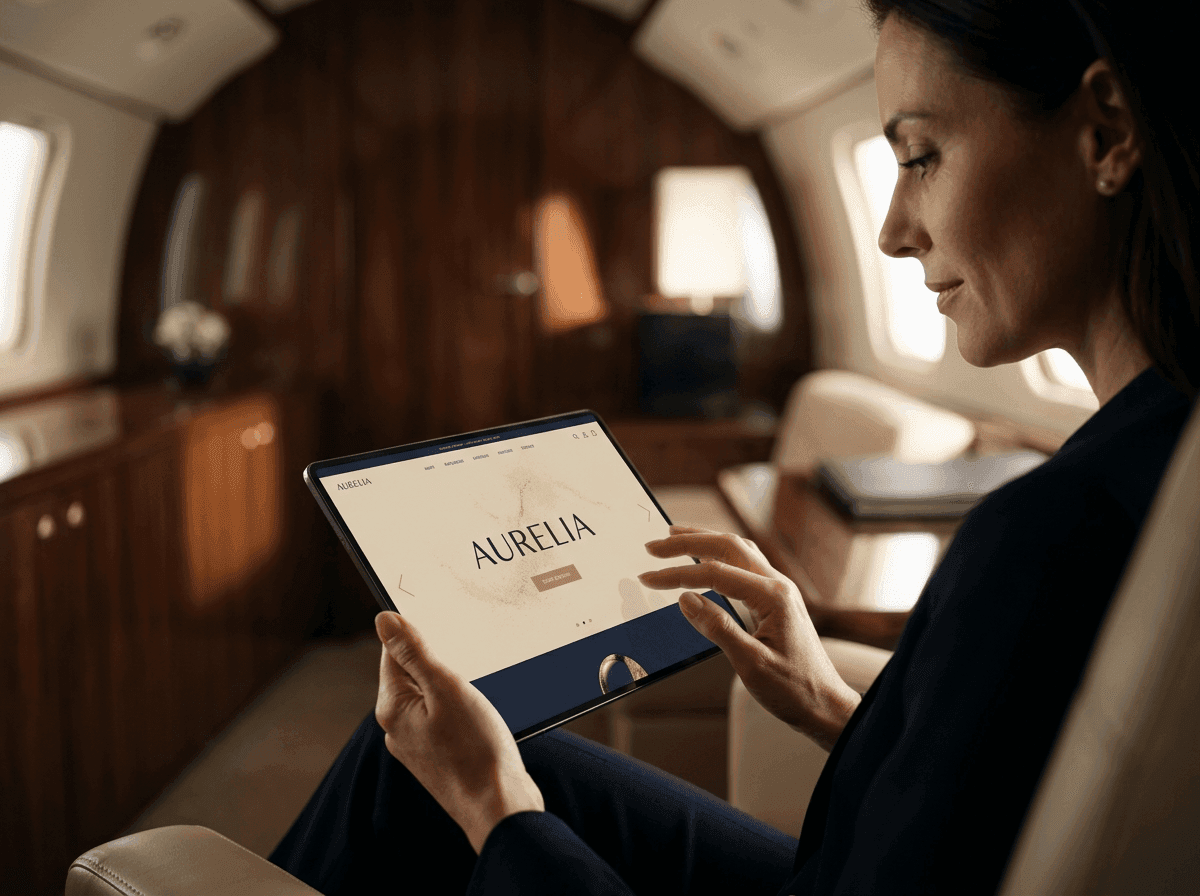
In high-end retail, brand perception precedes product evaluation. The buyer doesn't arrive to read descriptions or compare prices — they first decide whether the brand matches their level. A digital showcase that doesn't project that level loses the buyer before they ever reach the product.
02
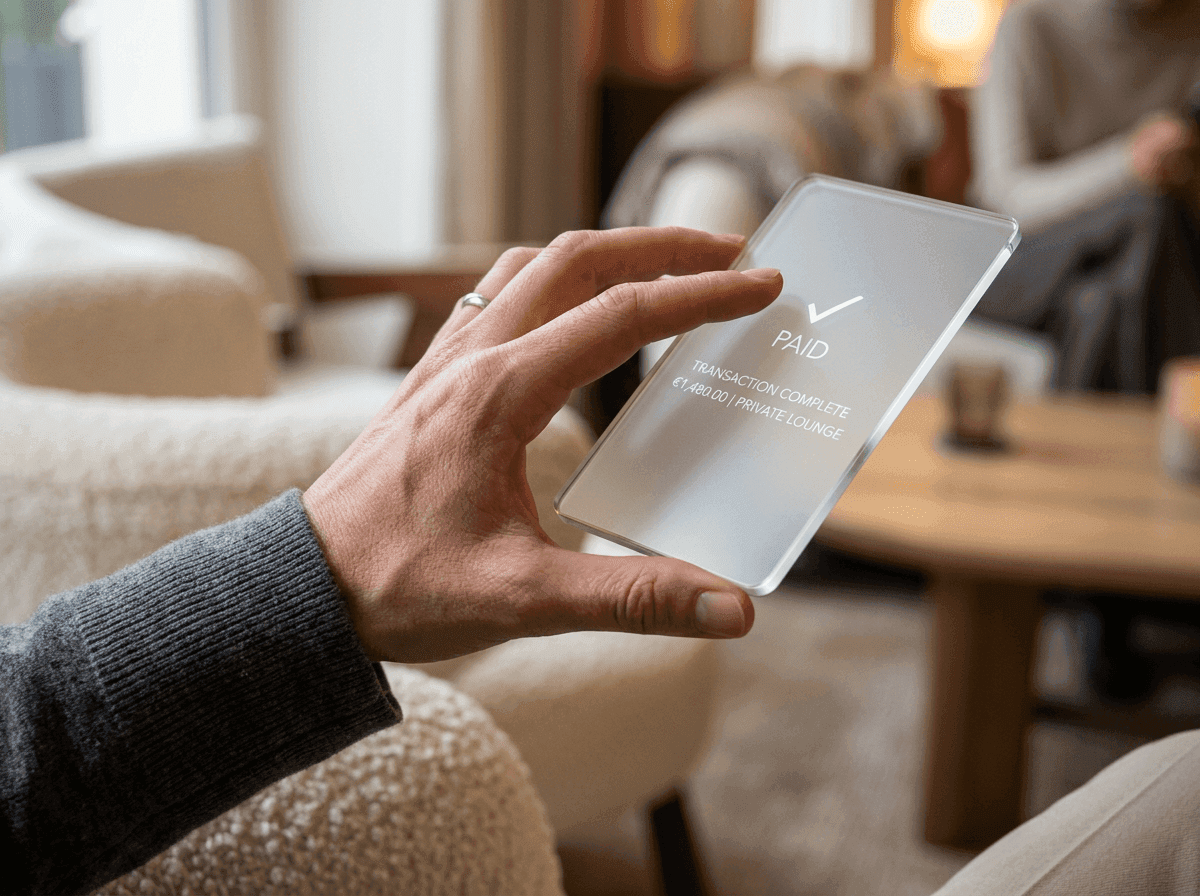
The premium buyer has no tolerance for friction — confusing navigation, a slow checkout, or a subpar mobile experience are signals that the brand doesn't care about details. The digital channel must be as precise and elegant as the product it sells.
03
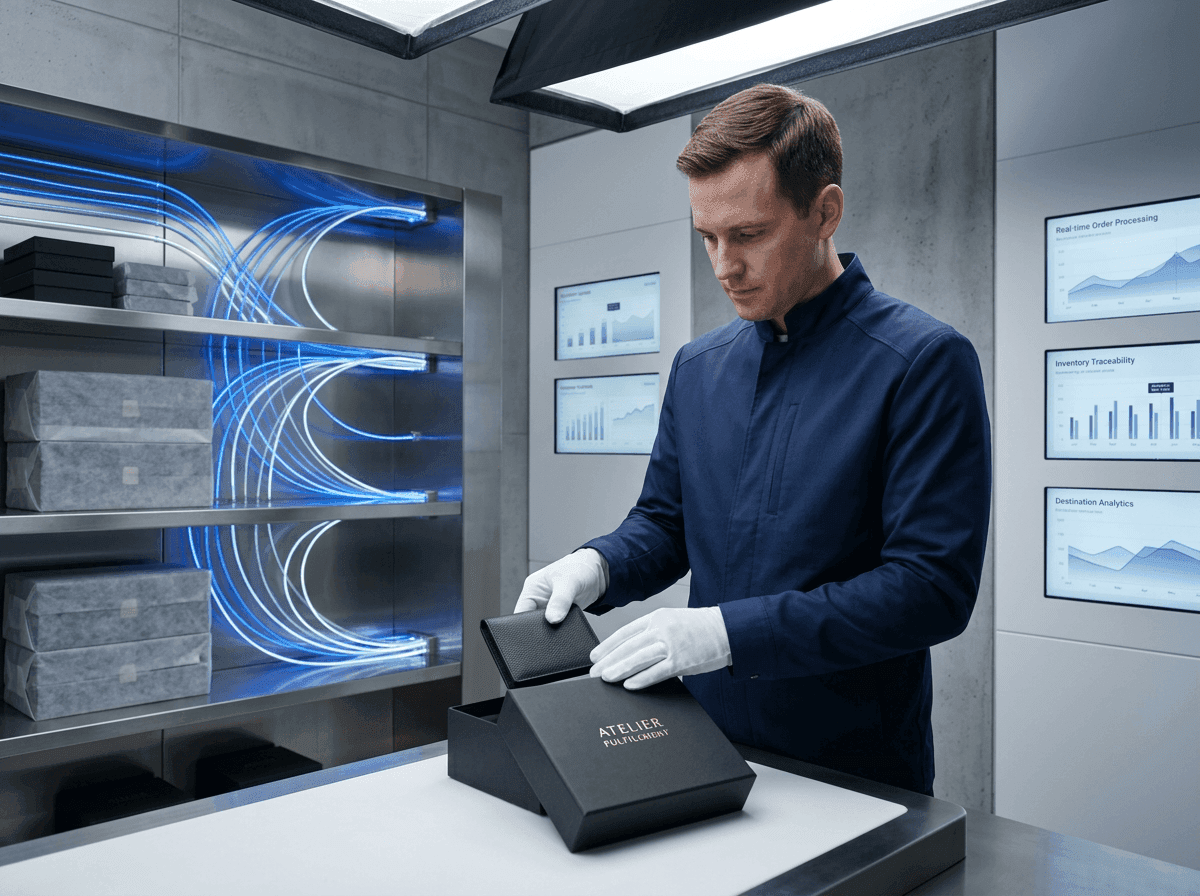
Every marketplace sale is a commission paid, a customer you don't know, and a brand experience you don't control. A well-built direct channel isn't just more profitable — it's the only space where the brand exists entirely on its own terms.
Every brand has its product. The digital problems limiting their direct growth are almost always the same.
The brand has a first-rate product but a site that doesn't reflect it. The gap between physical quality and digital experience is immediate — and the premium buyer detects it within seconds.
A large portion of sales happen on platforms the brand doesn't control — with generic experiences, direct competition on the same page, and commissions that erode margin without building any owned asset.
The brand's own site exists but isn't optimized to sell. There's no designed conversion flow, the mobile experience is inferior, and checkout generates abandonment at the most critical moment.
The brand invests in acquiring new customers but has no digital infrastructure to retain them — no post-purchase automation, no personalization, no digital reasons to return that don't involve a discount.
Before building anything, we understand what this brand means to the people who buy it — what it projects, what it promises, what level of experience the customer expects. That understanding drives every design decision. Not the other way around.
In premium retail, how you sell is part of the product. A rushed, aggressive, or generic purchase flow destroys brand perception even when the product is flawless. We design conversion that respects the experience.
We don't deliver an online store — we build a digital asset that grows with the brand. With integrations that expand, automations that mature, and an experience that evolves without needing to be replaced every two years.
A customer who returns without needing a discount is the result of well-built digital infrastructure — with post-purchase communication, real personalization, and an experience that makes coming back the natural choice.