Booking abandonment
+60%of travelers abandon the process if it has more than 3 steps

Most hotels compete with world-class experiences in their physical spaces but with digital tools that fall short. The result stays invisible to the guest until something fails: a reservation that doesn't sync, availability that doesn't reflect reality, an arrival experience that starts badly before the guest walks through the door.
Pimentone reads this industry from operational friction, not aesthetics. We understand that a hotel's digital asset is not a pretty site with room photos. It's conversion infrastructure that runs 24/7, reduces OTA dependence, and turns visibility into direct bookings.
Booking abandonment
+60%of travelers abandon the process if it has more than 3 steps
Decision window
8 secis the average time before the user leaves
OTA commission
25%of every booking that isn’t direct
Direct booking commission
0%own bookings don’t pay anyone
The outcome
Hotels with well-built digital infrastructure increase their direct bookings by an average of 40%. Without changing their rates. Without increasing their ad budget.
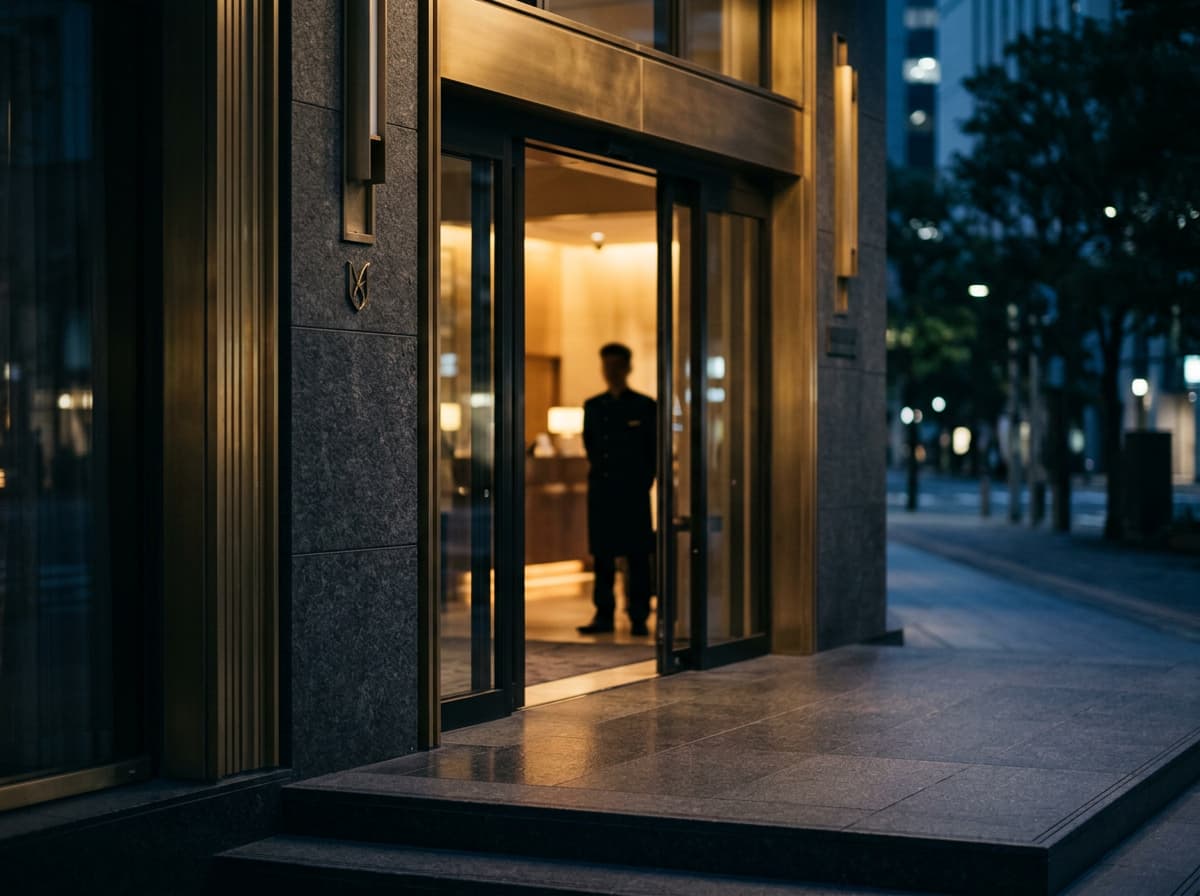
01
The site is the first real touchpoint with the hotel. Not the lobby, not check-in. Here is where the guest decides to book direct or leave for an OTA. A well-built digital showcase communicates the hotel’s level from the first second.
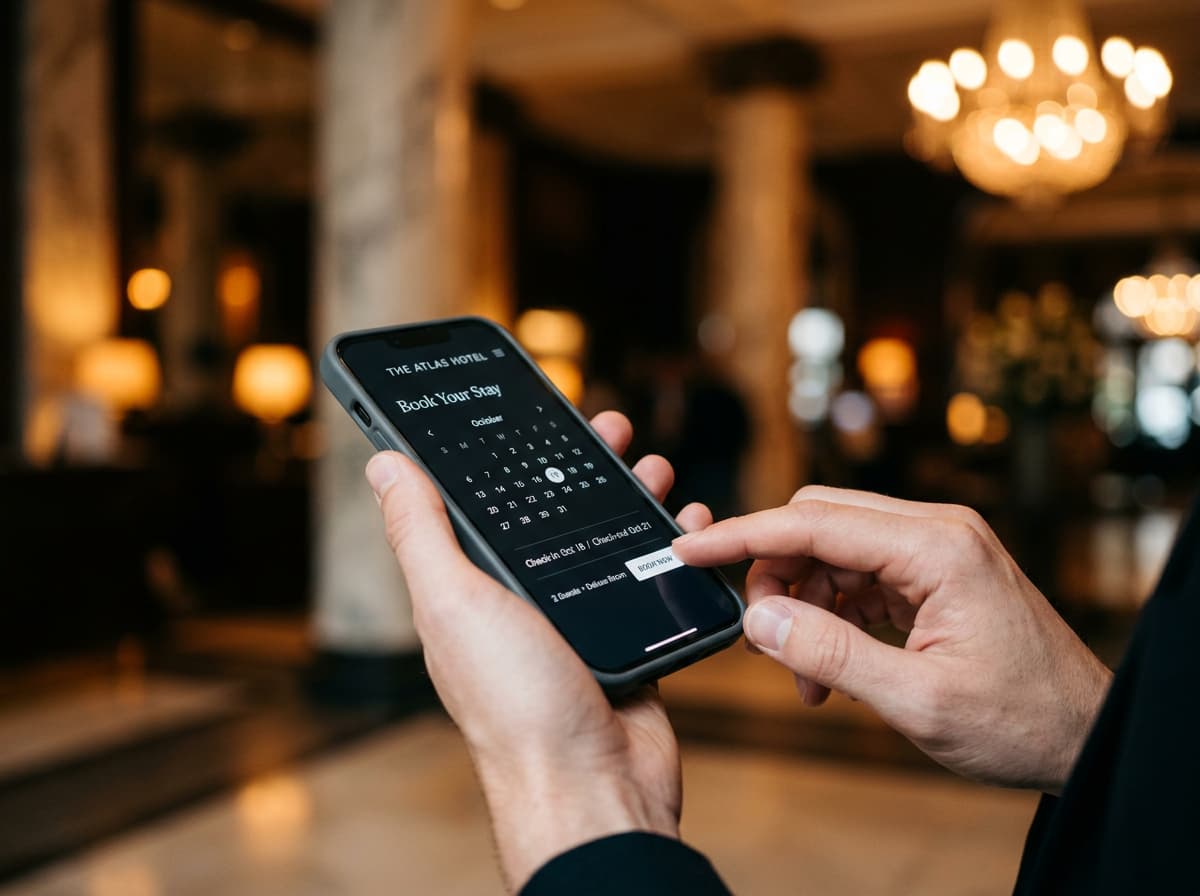
02
The booking engine isn’t an external widget. It’s integrated infrastructure that syncs availability in real time, removes OTA dependence, and turns visits into direct bookings 24/7.
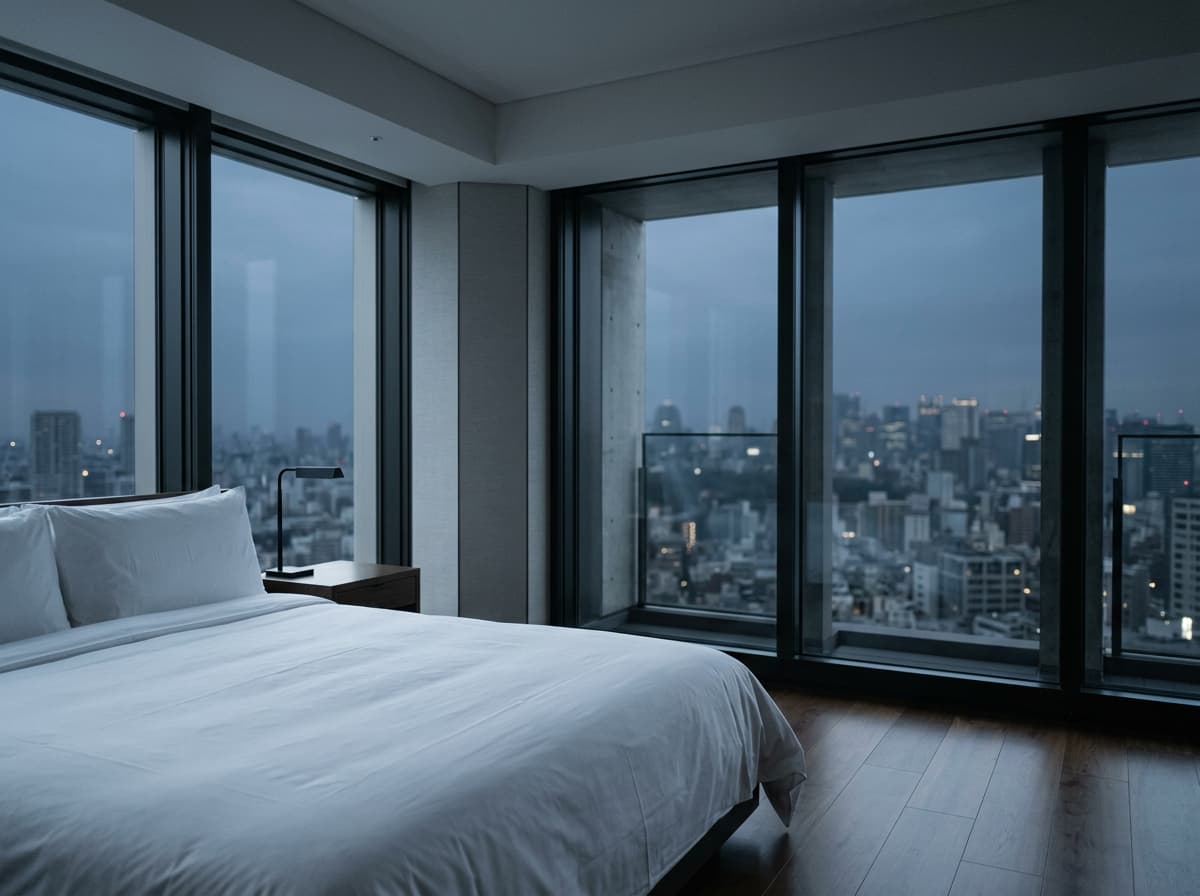
03
Automatic confirmations, pre-arrival communication, synced availability. Everything that makes the experience feel frictionless doesn’t happen by chance. It happens because the system was designed for it.
A hotel can have the most impeccable lobby in the city and lose direct bookings every day. It's not a budget issue. It's a lack of criteria in how the system was built.
The direct channel doesn’t convert, so the hotel pays 20–25% commission on every booking. It’s not a price or visibility issue. It’s a digital infrastructure issue.
The site informs but doesn’t convert. No integrated booking engine, no real-time availability, no flow designed for the visitor to complete a direct booking.
A five-star hotel with a three-star digital presence. First impression happens on the site, before the lobby. That gap kills conversion before the guest decides.
Manual confirmations, no pre-arrival communication, no post-stay follow-up. The system doesn’t run on its own because it was never designed to.
Most clients arrive asking for a new site. We arrive asking uncomfortable questions — how much they pay in OTA commissions, how many direct bookings the site generated last month, what happens when someone tries to book from a phone. The answers define the system. Not the other way around.
A hotel site can be visually flawless and commercially useless at the same time. We've seen it. That's why every design decision has a commercial justification — the booking flow, content hierarchy, touchpoints. If something looks good but doesn't convert, it doesn't make the cut.
What goes live on day one is the foundation, not the finished product. The infrastructure is designed to evolve — with integrations that stack up, automations that mature, and optimizations driven by real data. A well-built system never stops improving.
Automations, advanced tracking, smart flows — they exist because they solve real operational problems, not to impress in a pitch. When the system is well built, the guest only feels that everything works. That's exactly the point.